
Quick Trainings for NDIS Providers wanting to grow!
Transform your business strategy and boost you success.
Learn how to build profitable and person-centered approach that will take your provider services to the next level.
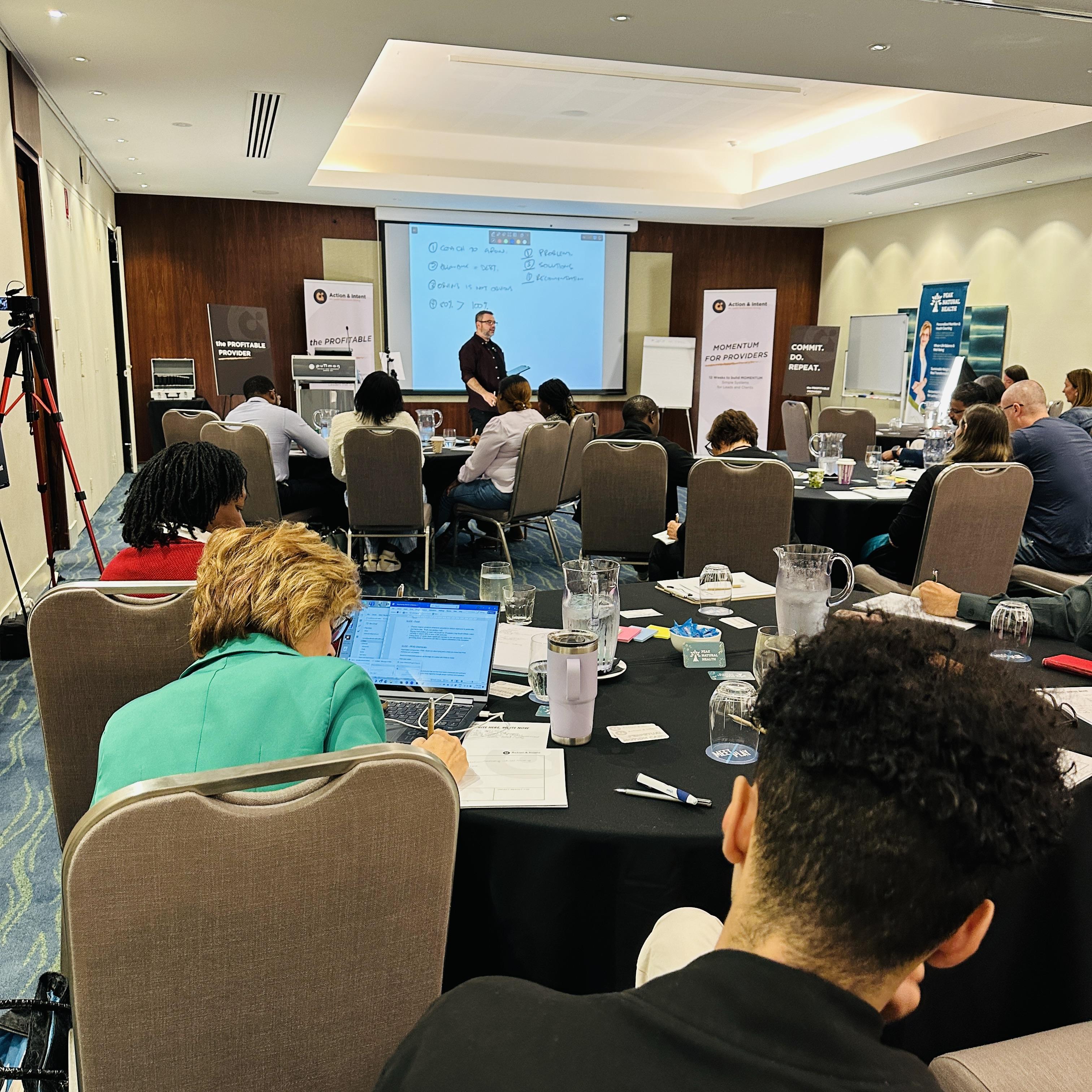
The 3 Questions That Solve Almost Any Problem in an NDIS Business
Introduction
In an NDIS business, problems show up daily — client dissatisfaction, team tension, referral breakdowns, operational mess, leadership fatigue.
Most providers don’t struggle because they’re careless. They struggle because they solve problems based on assumptions instead of clarity.
Over the last five years working with providers, we’ve found three questions that consistently cut through confusion — with clients, families, teams, and even yourself.
The 3 Questions
1. What’s not working?
This question identifies pain in the person’s language.
That matters because providers often assume the issue based on their own experience, policy, or past patterns.
Examples:
a participant who has moved between providers
a family feeling unheard
a team member becoming frustrated or disengaged
a process that keeps breaking down
The key here is active listening.
Ask. Pause. Listen without interrupting.
Then reflect back what you heard to confirm accuracy.
This alone can reveal the root cause faster than weeks of back-and-forth.
2. What should it be like?
Once pain is clear, this question defines the success target.
It moves the conversation from “what’s wrong” to “what good looks like.”
This helps you:
measure whether progress is real
prevent solving the wrong thing
stop copying generic solutions
tailor the plan to the client or team member’s actual goal
When success is named in their words, you gain a practical standard to work toward.
3. How would that make you feel?
This question goes deeper than tasks and outcomes.
It reveals the emotional success measure:
relief, safety, trust, confidence, feeling valued, feeling heard.
Why it matters:
it clarifies why the problem is painful
it tells you whether the outcome is deliverable
it helps you identify good-fit vs not-fit clients
it reduces future conflict and misalignment
If you can’t deliver the outcome they describe, that clarity protects both sides.
Why these questions change everything
Business is problem-solving — but it’s also understanding what the real problem is.
When providers decide the problem before asking these questions, they risk:
fixing symptoms instead of causes
creating solutions nobody wanted
missing their ideal client’s actual needs
burning energy on avoidable friction
These three questions form the heart of effective triage and sustainable leadership.
Try this in your business today
Take five minutes and apply them:
What’s not working right now?
What should it be like instead?
How would that make you feel?
You’ll notice the difference in clarity almost immediately.
If you want to walk these questions through for your business, you can connect with me on LinkedIn or email [email protected].
There’s real power in getting the right questions on the table early.

Join the free Facebook community today!
Free trainings that GET RESULTS!
All Rights Reserved © 2024